Services for all of your Dynamics 365
From development to payroll. Eleven areas, one team, whether you are starting out, moving on from AX, or taking control of a solution someone else built.
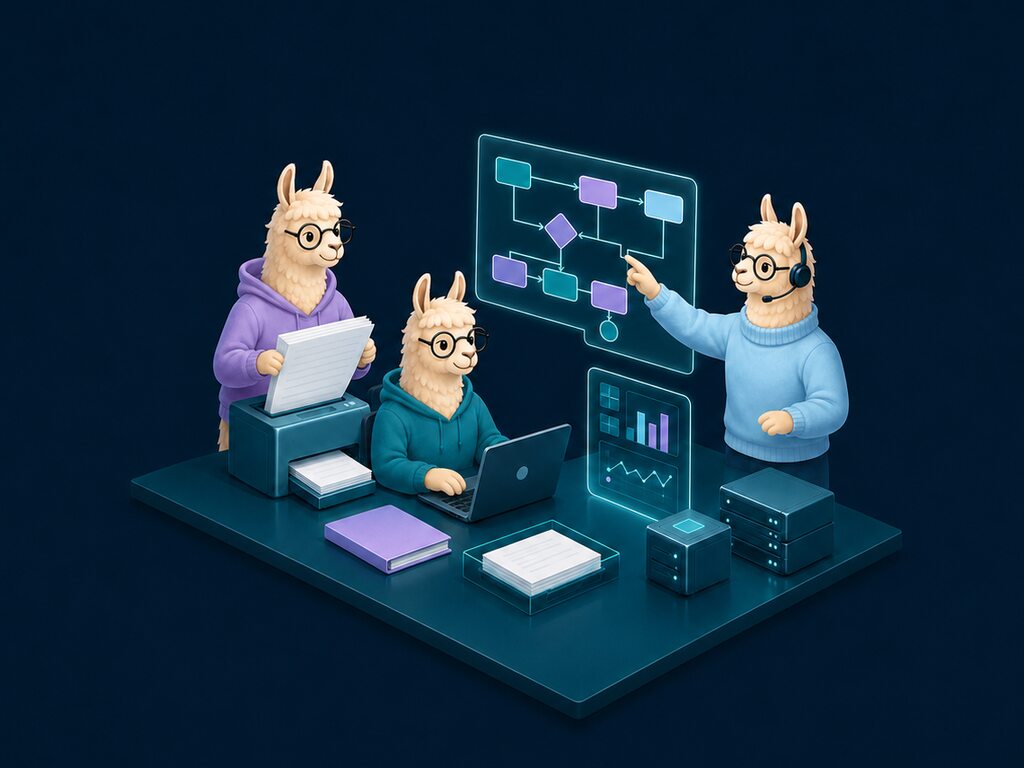
We start in the process, not in the system
Most ERP projects go wrong long before anyone writes code. They go wrong when nobody has written down how the business actually runs, and what people are willing to change.
We map your processes together with the people who carry them out. What happens today, where are the manual workarounds, what is a genuine requirement, and what is simply habit? The result is a to-be process you can recognize yourselves in, and an honest fit-gap that shows exactly where Dynamics 365 can stand as standard and where building something extra makes sense.
You get it in writing. Process diagrams, functional design documents and decisions with the reasoning behind them. Not as a project document that disappears after go-live, but as something you can train new employees on and hand to the next consultant.
We also do the process work on its own, if you need your workflows under control before you even choose a system.
How we start: two or three workshops per area. You talk, we draw, and you get it back on a single page anyone can read.
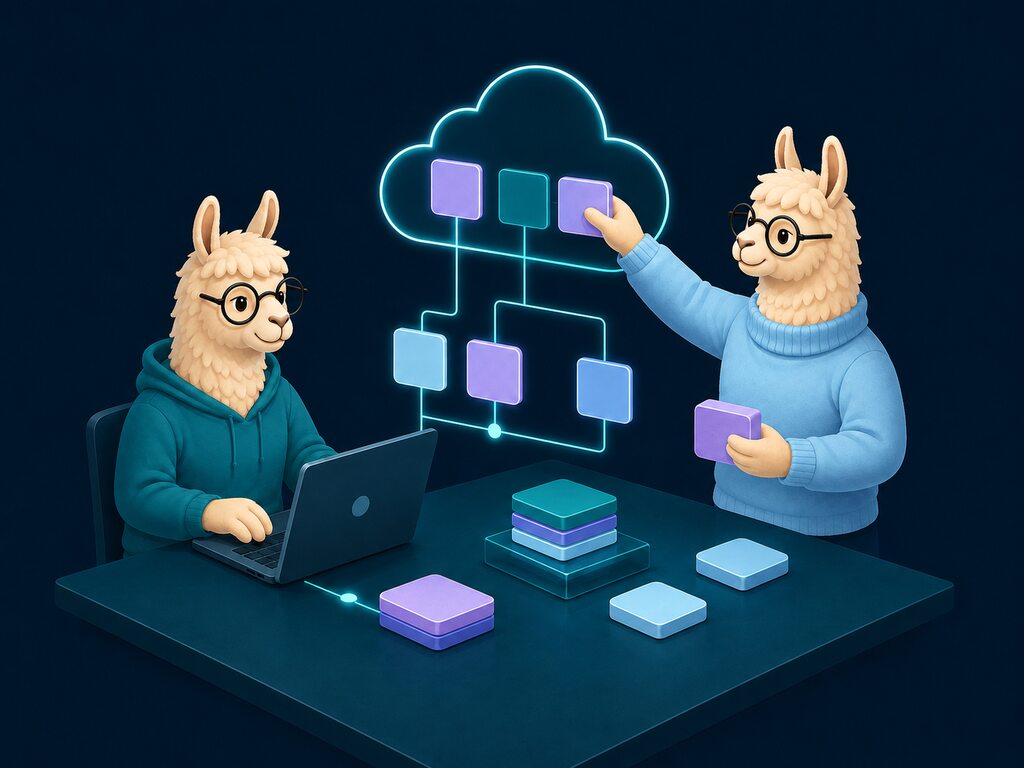
Extensions that survive the next update
Extensions, integrations, workflows and Copilot automation on top of Dynamics 365, built only where the standard does not reach. We build as extensions, never as changes to the standard, so One Version updates simply run.
Everything is delivered with documentation, source code and a proper handover. You own the solution, and your next consultant can read what we did and why.
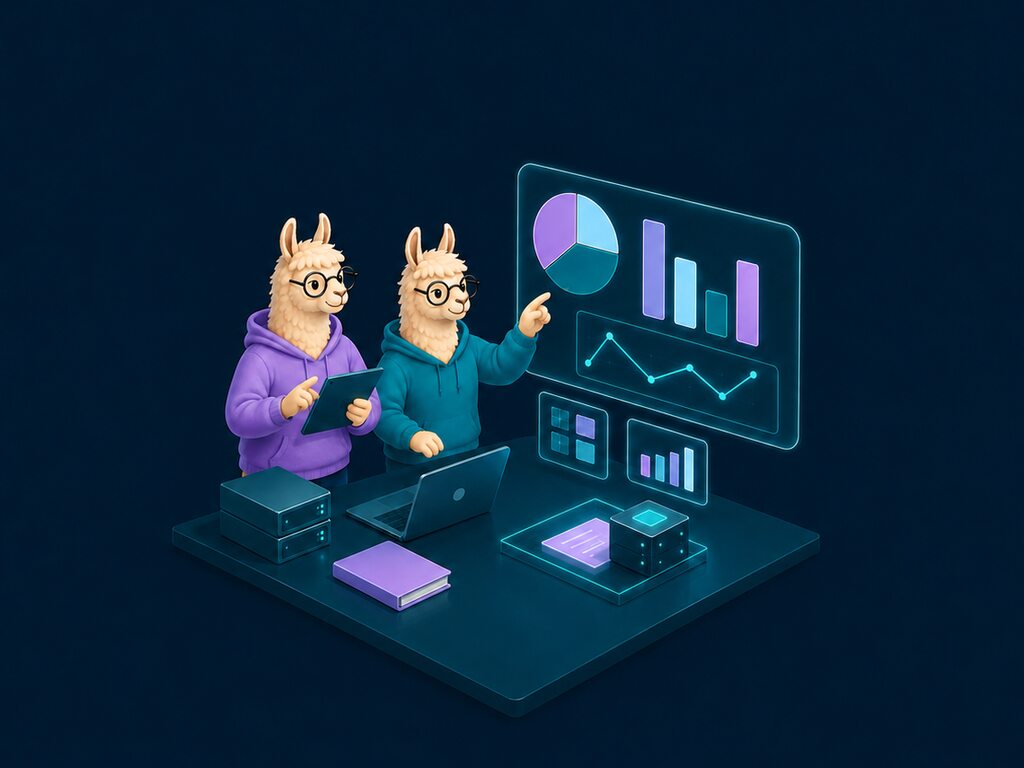
Numbers people actually use
Power BI and Microsoft Fabric, as standalone reporting or built directly into Dynamics 365, where the work happens. We build the data model behind the reports, not just the reports, so the same figure means the same thing no matter who opens it.
If you already run Power BI, we often start at the other end. Clearing up reports that have grown wild, rewriting the heavy models, and bringing response times down from minutes to seconds. A report nobody wants to wait for does not get used, and then it does not matter how correct the numbers are.
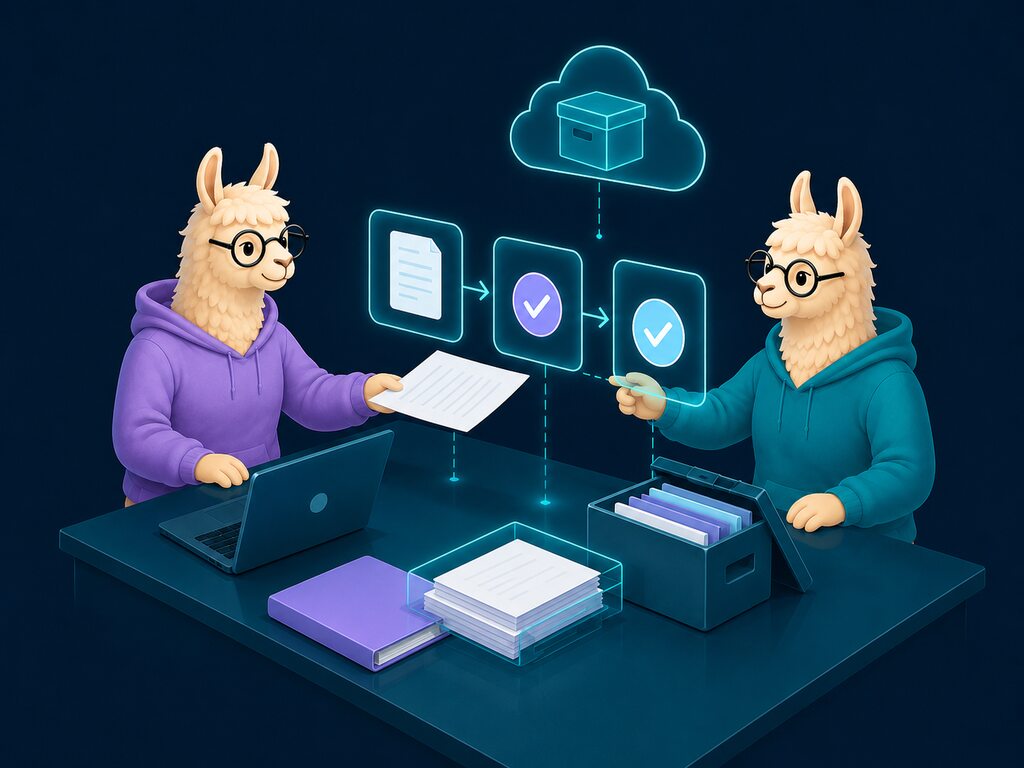
The right document, one click away
Automated document flow, approvals and archiving with a complete audit trail. Invoices, order confirmations and contracts follow the case instead of sitting in inboxes and shared drives.
The approval rules mirror your segregation of duties, so auditors can follow every document from receipt to posting.
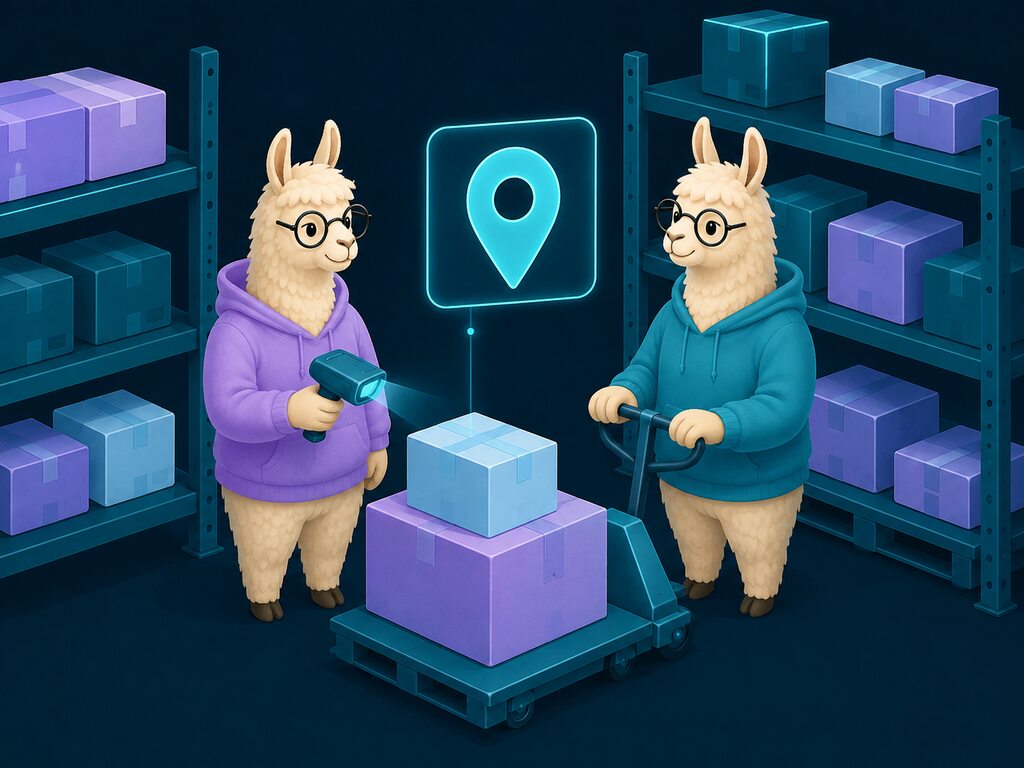
A real-time view from purchase to delivery
Purchasing, warehouse management, production and delivery in one connected flow. We set up Dynamics 365 Supply Chain Management around your actual material flows, not around a textbook diagram.
The result is measurable. Faster order throughput, fewer picking errors and inventory that adds up without anyone counting behind it.

A month-end close that gets days shorter
Chart of accounts, receivables and payables, fixed assets and group consolidation in one system. We clear out manual reconciliations and build the controls into the process, so the numbers are ready when the month ends.
At the same time you get security roles, licenses and total cost under control, with documentation your auditors can work in directly.
Our finance consultants have worked as controllers and bookkeepers in manufacturing companies themselves. The conversation therefore starts with what the numbers are for, not with how the module is configured.
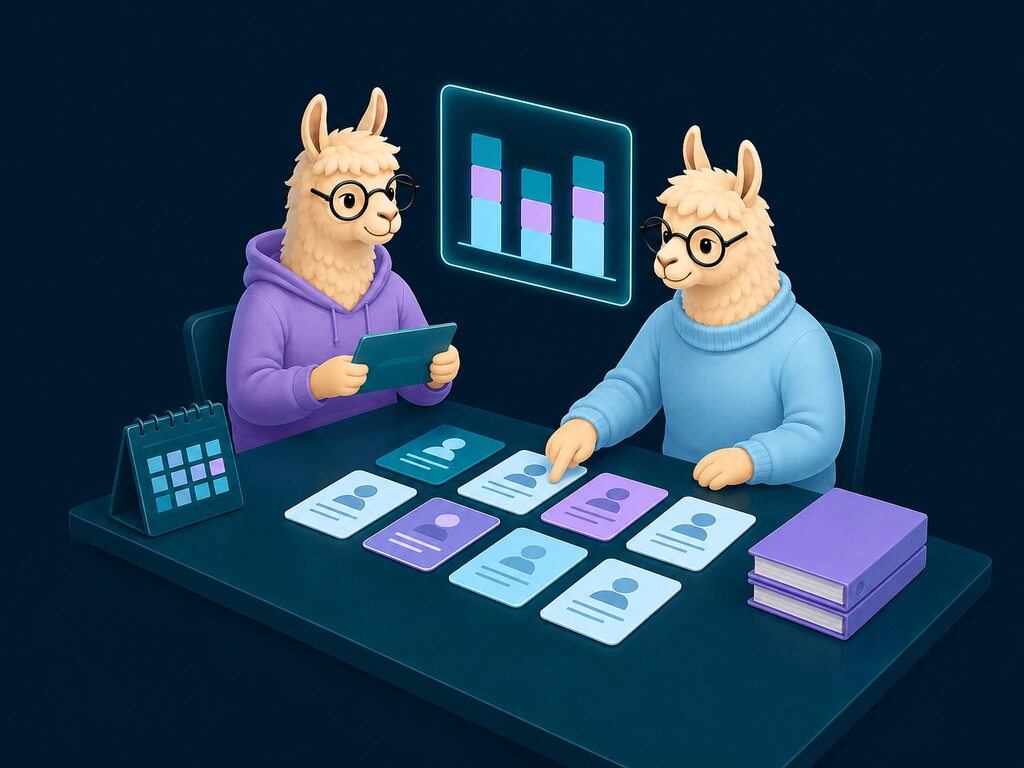
Payroll that simply runs
Accurate payroll runs and employee data under control with Lessor, integrated with the rest of the business in Dynamics 365. Master data is maintained in one place and flows automatically to payroll, finance and reporting.
We handle setup, integration and operation, so collective agreements, reimbursements and statutory reporting are right every month.
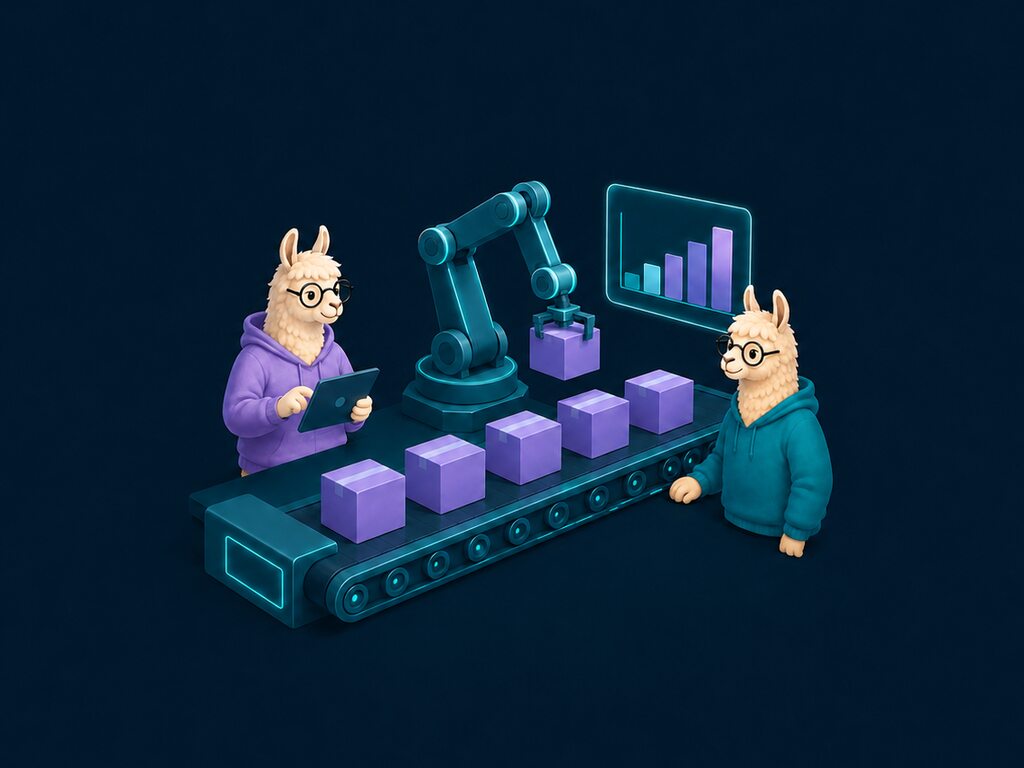
Production set up around your flow
Discrete and separate production, process manufacturing with batches and traceability, or a mix of both, because reality is rarely clean. We set up bills of material, formulas, routes and resources in Dynamics 365 Supply Chain Management, so planning calculates on something that resembles your everyday work.
We look at the whole chain. How demand arises, how the plan is made, how the shop floor supervisor sees it in production, and how consumption and reporting as finished are registered without double work, and what the numbers actually show once the cost calculation has run.
For the planner, it comes down to whether the plan can be used. We set up master planning and Planning Optimization with your real capacity, lead times and bottlenecks, so the system proposes something that can actually be done, and we agree what the system decides and what the planner decides. When a machine goes down or a raw material arrives late, rescheduling should take minutes, not a morning. The goal is simple. Delivery dates you can stand behind, and no shadow plan in Excel alongside the system.

Roles decide what your licenses cost
In Dynamics 365, the license type follows what a role is allowed to do. One extra privilege in a role can move an entire group of users up to a more expensive license, and you usually discover it on the invoice rather than in the system. That is why security configuration is not only a question of audit and access control for us. It is also one of the few places where a thorough clean-up shows up directly on the annual bill.
We build roles around the job functions you actually have, instead of handing out Microsoft's standard roles, which are far broader than most people need. Every role is measured against two questions. Does the user have what the job requires, and does the role trigger a more expensive license than necessary? Segregation of duties and audit trails fall into place in the same exercise, because the same privileges govern both.
You get it documented. Which roles exist, who holds them, what they grant access to, and which license they draw. That is the overview your auditor asks for, and the one you want in hand at the next license negotiation.
How we start: a role and license review as a self-contained assignment. You get your current roles mapped, the licenses they trigger, and the places where there is something to gain, including when the solution was set up by someone else.
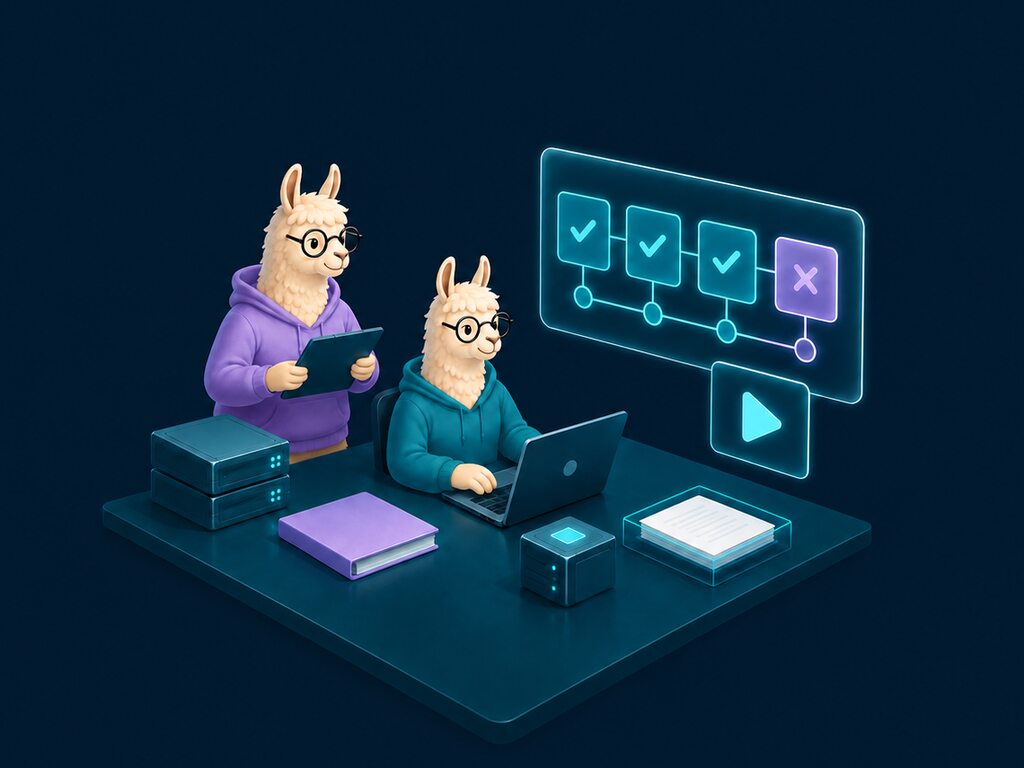
Tests that run again on every change
Manual testing never gets all the way around, and certainly not every time. Your own workflows are recorded with the task recorder in Dynamics 365, by your key users, because they are the ones who know the workflows best. The recordings become the basis for automated tests in Playwright, so it is your actual processes being tested, not a generic test catalogue.
The tests run automatically and report their results back to Azure DevOps, where they sit in the same flow as the development work. They run on every code build, and every time Microsoft ships a One Version update, including the quality updates that land between the monthly ones, they run again on the new version before it reaches your users. If a workflow breaks, it shows up in black and white, with a trail back to exactly the change that caused it.
Combined with AI that comes up with test scenarios and spots gaps in coverage, this gives broader and more consistent testing than manual work can reach, and it keeps running long after the project has ended.
You own the tests from day one. Our role is to set up the engine, the link from recording to Playwright and the reporting back to DevOps, and to teach your key users to record and maintain the tests. A new workflow can be covered without waiting for anyone. It follows from the rest of our approach. The tests are yours, just as the solution is.
How we start: your key users record the five to ten most important workflows together with us, and we put them into operation as automated tests. From there you extend the suite yourselves, at your own pace, as the solution evolves.

Someone to call, two years from now as well
An ERP system is never finished. We offer ongoing support and development on your Dynamics 365, including when the solution was built by someone else. We start by reviewing the configuration and documenting what it actually says, so we know what we are taking on.
You talk to the same consultants every time. Not a support queue, and not a new person who has to learn your business from scratch.
If you are short of hands for a while, for a project, an upgrade or while a key employee is away, we can also place a consultant with you for an agreed period. The same people, just at your pace.
Industries we know from the inside
We work mainly with Danish manufacturing and distribution companies, typically from 50 to 500 employees, where one solution has to cover finance, inventory and production alike.
Manufacturing and machinery
Bills of material with variants, routes and capacity, subcontracted work, and cost calculations that hold up.
Food and process manufacturing
Bills of materials and formulas, batch and lot traceability, shelf life, yield and scrap, and the documentation for when the authorities or a customer asks.
Trade, distribution and logistics
Purchasing, inventory management and WMS, EDI with customers and vendors, and inventory that adds up without manual counts every week.
Project-driven companies
Make-to-order production, project accounting and case management, where the quoted price has to be traceable in the final cost calculation.